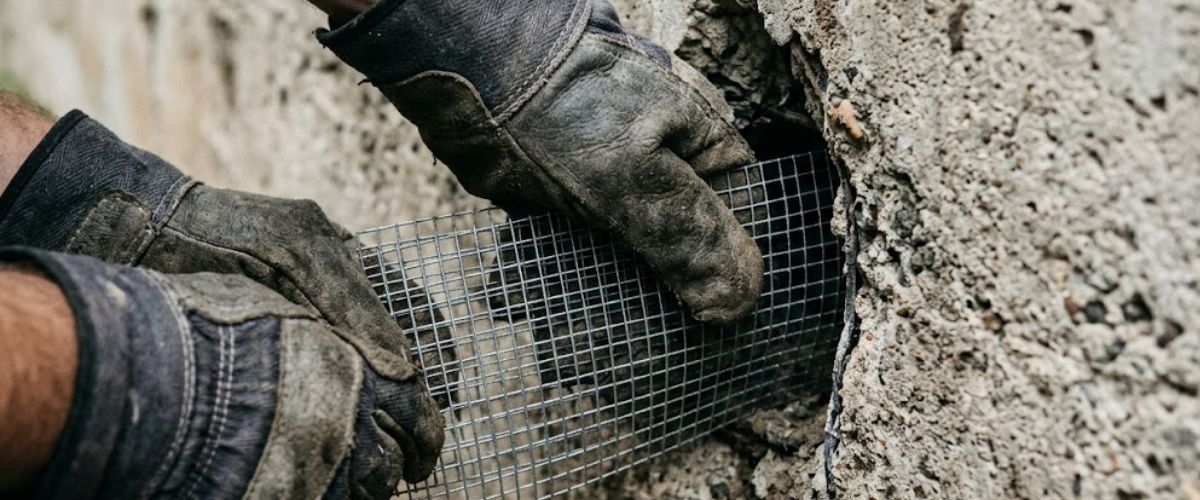
Why entry point detection matters before exclusion work
Exclusion sealing without a complete entry point survey produces incomplete results. Sealing the three gaps you can see while missing the two gaps behind the attic insulation means the infestation continues through the unsealed routes. A systematic detection survey — attic interior, crawl space, full foundation perimeter, and roofline assessment — identifies every opening before any sealing begins, so the exclusion work is comprehensive rather than reactive.
In Chattanooga's heritage neighborhoods — St. Elmo, Highland Park, Fairmount, and the ridge-face properties of Missionary Ridge — entry point detection is particularly valuable because pre-1940 construction has entry point patterns that differ from modern homes. Original wood soffits fail at predictable locations (fascia-soffit junction, corners, around original louvers) that are only identifiable from attic inspection. Foundation types (stone, brick, block, early poured concrete) have characteristic gap formations that an experienced detection survey catches efficiently.
What the detection survey covers
- Attic interior inspection: Full walk of accessible attic space with strong light. Every point where exterior light enters is documented. Runway evidence (grease marks, droppings trails) mapped to entry locations. Original vent screen condition assessed from inside.
- Roofline exterior assessment: Soffit-fascia junction condition, ridge vent screen integrity, gable vent screen condition, all roof vent pipe collars, chimney flashing gaps, and any utility lines entering through the roofline.
- Foundation perimeter: Systematic walk of the full foundation exterior. Cracks, weep holes, below-grade window wells, utility penetrations, and the foundation-to-sill-plate gap all documented.
- Garage: Bottom seal condition, side gaps, service door threshold, utility penetrations through garage walls, and garage-to-house interior door gap.
- Crawl space or basement: Below-grade perimeter, floor drains, sill plate gap, and foundation wall integrity from the interior.
The written detection report
Every detection survey produces a written report delivered same-day, including a numbered list of every entry point found with location, size, current status (active breach vs. potential breach), recommended material and method for remediation, and estimated cost. Priority ranking (urgent vs. deferred) and a quote for exclusion work if you'd like us to do it.
Pricing
| Service | Typical range | Notes |
|---|---|---|
| Entry point detection survey | Free | Attic + roofline + foundation + garage + crawl/basement. Written report same-day. |
| On-site minor sealing (same visit) | $0–$75 | Small gaps sealable with materials on hand. No charge for minor repairs done during detection visit. |
| Full exclusion sealing (follow-up) | $300–$1,400 | Quoted after detection. Based on number and type of entry points found. |
Frequently asked questions
How do you find entry points not visible from the ground?
Roofline entry points are identified from the attic interior — every point where exterior light enters through the roofline is a potential entry. Runway evidence (grease marks, droppings) in the attic is mapped back to entry locations. Ground-level points are found with a systematic foundation perimeter walk and probe tool.
What's the difference between entry point detection and a prevention inspection?
Entry point detection focuses exclusively on finding structural gaps — it's a technical survey of the building envelope. A prevention inspection is broader, adding outdoor harborage assessment, seasonal risk briefing, and program recommendations. Detection is the right service when you have active activity and need to know specifically where rodents are getting in.
How many entry points does a typical Chattanooga home have?
Pre-1970 homes: typically 4–12 active or potential points. Heritage homes in St. Elmo and Highland Park with original wood soffits: frequently 8–15. Modern homes (post-1990): typically 2–6, concentrated at garage seals and utility penetrations.
Do you fix entry points during the detection visit?
Minor sealing (copper mesh in a small gap, a caulk bead over a joint) is often done on the same visit. Larger exclusion jobs are quoted after the survey and scheduled separately. You'll leave the detection visit with a complete picture of what needs to be done and what it costs.