Chattanooga rat & mouse control — practical guides
Seasonal prevention calendars, species identification, neighborhood-specific rodent profiles, and honest DIY vs. professional advice — all written for Hamilton County property owners.

Chattanooga’s Fall Rodent Season: Why October Is the Most Dangerous Month for Hamilton County Homeowners
October marks a convergence of pressures unique to Chattanooga’s ridge-and-valley geography — mast crops dropping from Lookout Mountain and Missionary Ridge canopy, the first cold fronts pushing mice out of the fields and into crawl spaces, and roof rats completing their summer breeding cycle and moving indoors. This guide maps the exact timeline, neighborhood by neighborhood, so you know what to watch for and when to call.
Read the full guide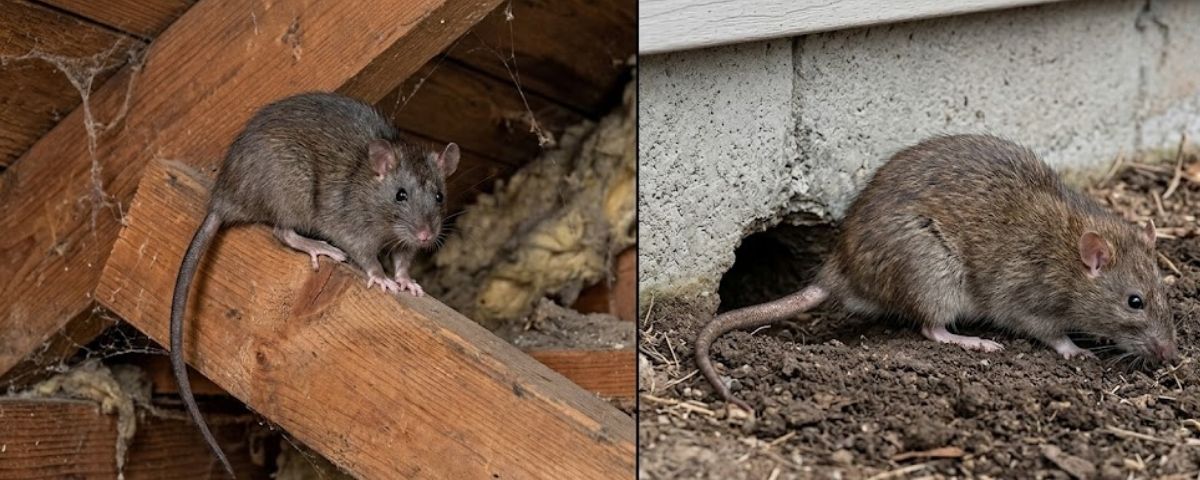
Roof Rat vs. Norway Rat in Chattanooga: How to Tell Them Apart (and Why It Changes the Treatment)
The two rats most common in Chattanooga look different, live in different parts of a property, and need different treatment approaches. Getting the ID wrong wastes time and money. This guide covers the field-observable differences and what they mean for the job.
Read article
St. Elmo’s Roof Rat Problem: Why the Neighborhood at the Foot of Lookout Mountain Has Chattanooga’s Heaviest Canopy-Rat Pressure
St. Elmo sits at the intersection of everything that makes roof rats thrive: late-1800s housing stock with original wood soffits, mature pecan and oak canopy touching rooflines, and the year-round humidity of the Lookout Mountain base. A neighborhood-specific explainer with seasonal timelines.
Read article
How to Seal Rat Entry Points in a Chattanooga Home: A Room-by-Room Guide for Hamilton County Houses
Trapping without sealing is a temporary fix. This guide walks the exterior and interior of a typical Chattanooga home — roofline, soffits, foundation, crawl space, utility penetrations — with specific materials and techniques sized to pre-1970 heritage-home construction.
Read article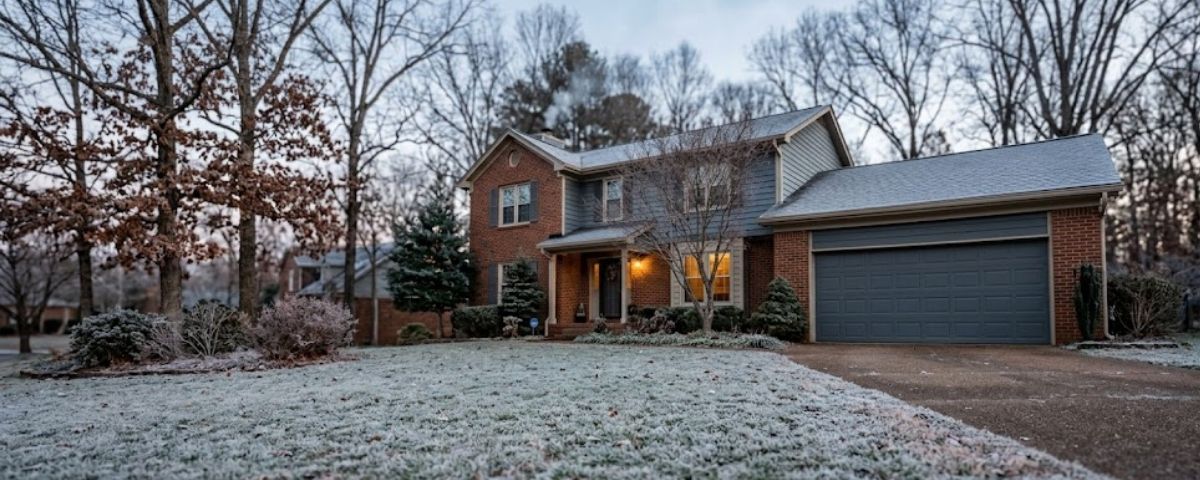
Winter Mouse Prevention in Chattanooga: The October–February Playbook for Hamilton County Homeowners
House mice spike sharply in Chattanooga with the first October cold fronts and stay elevated through February. This seasonal playbook covers the specific entry points to check in Hamilton County homes, the neighborhoods with the sharpest seasonal swings, and when DIY is enough vs. when to call.
Read article
Rodent Control for Chattanooga Restaurants: What Health Inspectors Look For and How to Stay Ahead of It
Tennessee Department of Health rodent standards for food-service establishments — translated into practical pre-inspection checklists, exclusion priorities for downtown Chattanooga kitchen layouts, and the difference between a preventative program and reactive treatment after a citation.
Read article
Norway Rats in Downtown Chattanooga: A Property Owner’s Guide to the River-Corridor Rat Problem
Downtown Chattanooga’s Tennessee River proximity, historic rail infrastructure, and restaurant-dense Southside create ideal Norway rat habitat. This guide maps the pressure zones, explains why river-corridor burrow activity peaks in late summer, and lays out the treatment approach for mixed-use properties.
Read article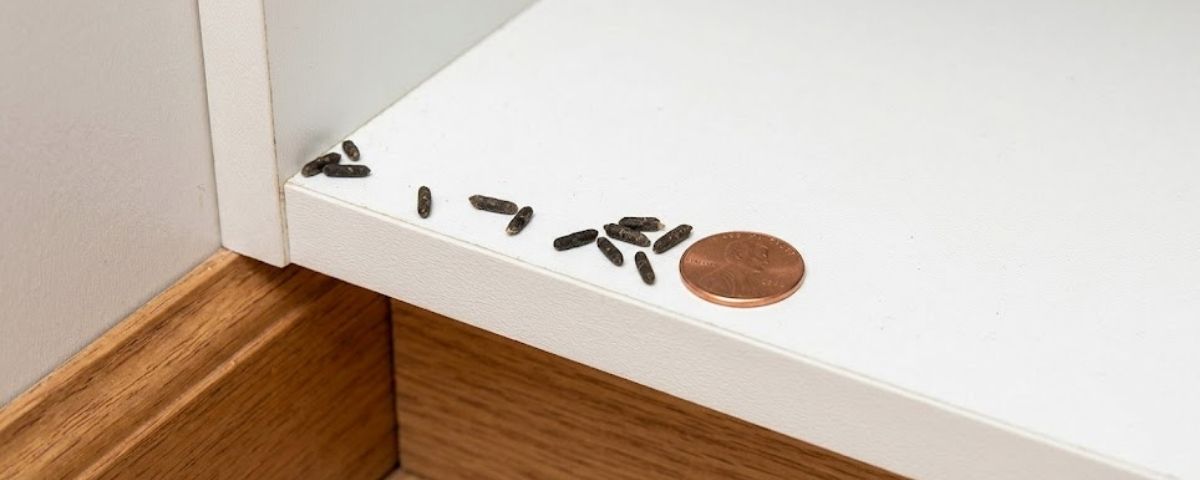
House Mouse Identification and Control in Chattanooga: The Complete Hamilton County Homeowner’s Guide
House mice are the most common rodent call we get across all 28 Chattanooga neighborhoods — and the most underestimated. This guide covers identification from droppings and gnaw marks, the entry-point patterns most common in Chattanooga’s pre-1970 housing stock, and a realistic cost breakdown for treatment and exclusion.
Read article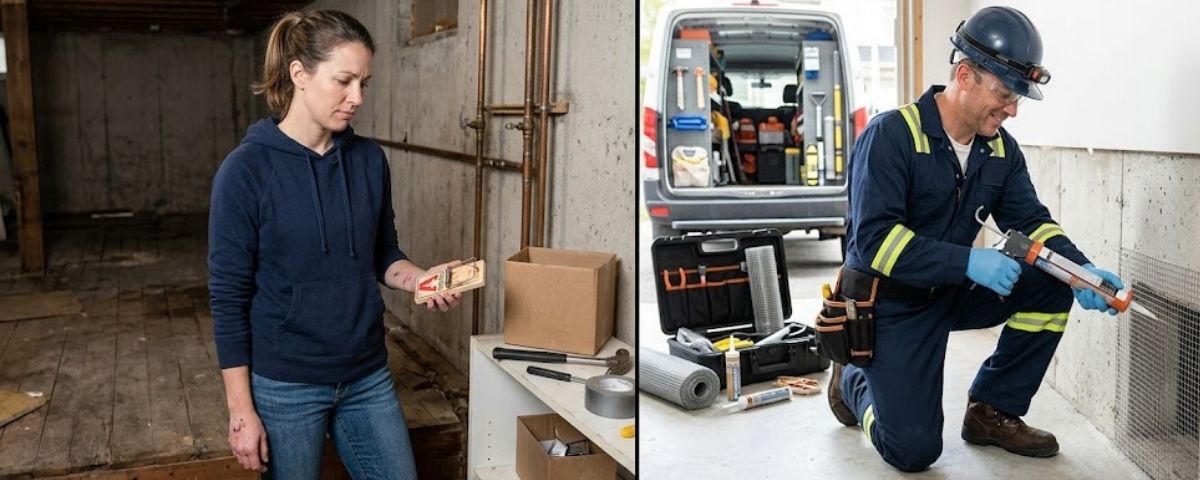
DIY vs. Professional Rat Removal in Chattanooga: An Honest Assessment of When Each Makes Sense
Some mouse problems in Chattanooga homes are genuinely manageable with snap traps and a tube of caulk. Many rat infestations are not. This article draws the honest line — what conditions favor DIY, what conditions require a professional, and what the real cost difference looks like over 12 months.
Read article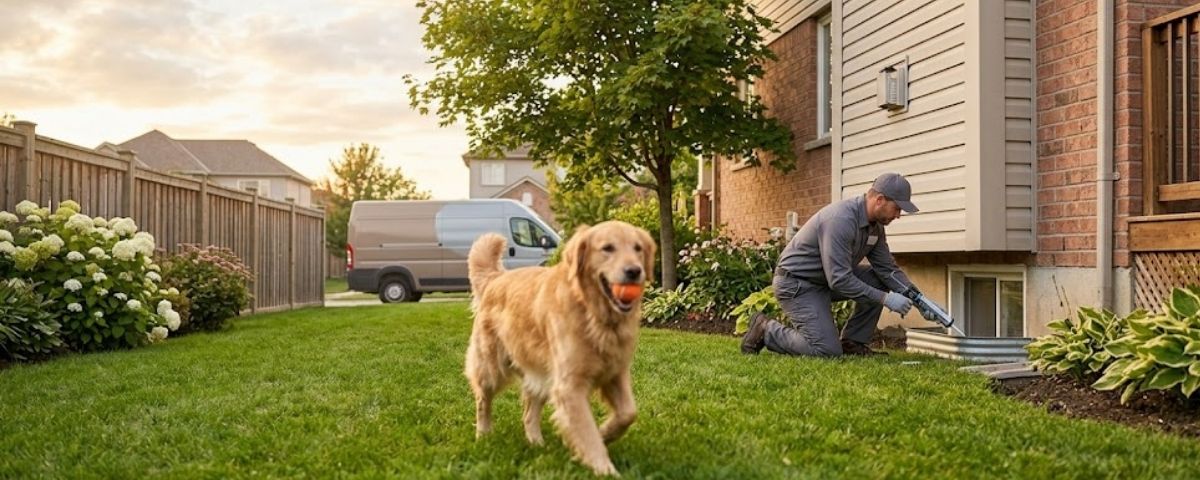
Pet-Safe Rodent Control in Chattanooga: Protecting Dogs and Cats While Treating Rat and Mouse Infestations
Second-generation anticoagulant rodenticides are the most commonly misused pest control product in residential settings. This guide covers the risk profile of common rodenticides to dogs and cats, the alternatives that work in Hamilton County homes, and how to set up tamper-resistant stations that pets can’t access.
Read article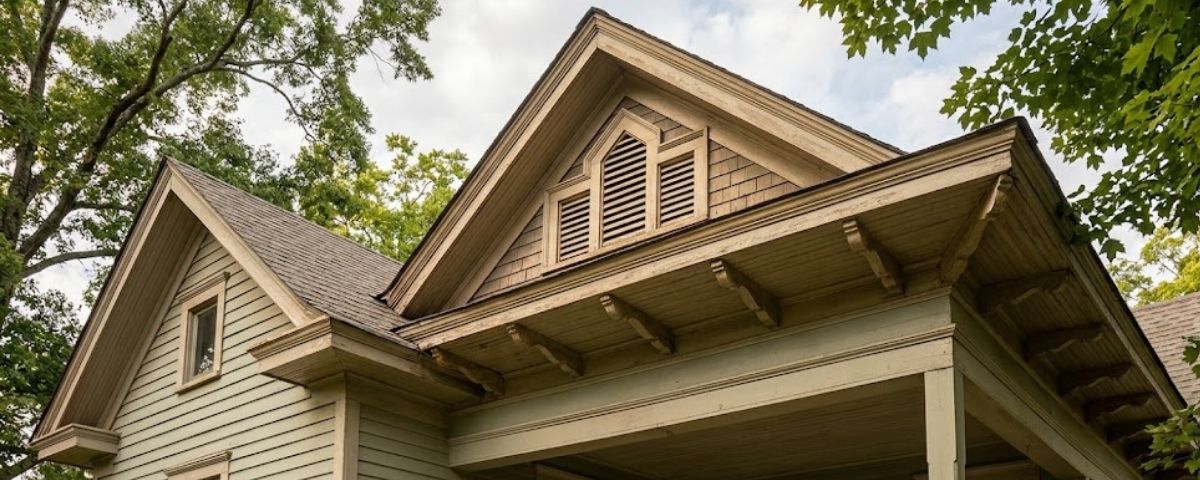
Rodent-Proofing a Historic Chattanooga Home: Heritage-Friendly Exclusion for Fort Wood, St. Elmo, and Missionary Ridge Properties
Sealing a pre-1940 Chattanooga home against rodents requires different materials and techniques than modern construction. Original wood soffits, stone foundations, balloon framing, and knob-and-tube wiring all change the approach. This guide covers heritage-compatible methods that don’t void historic preservation guidelines.
Read article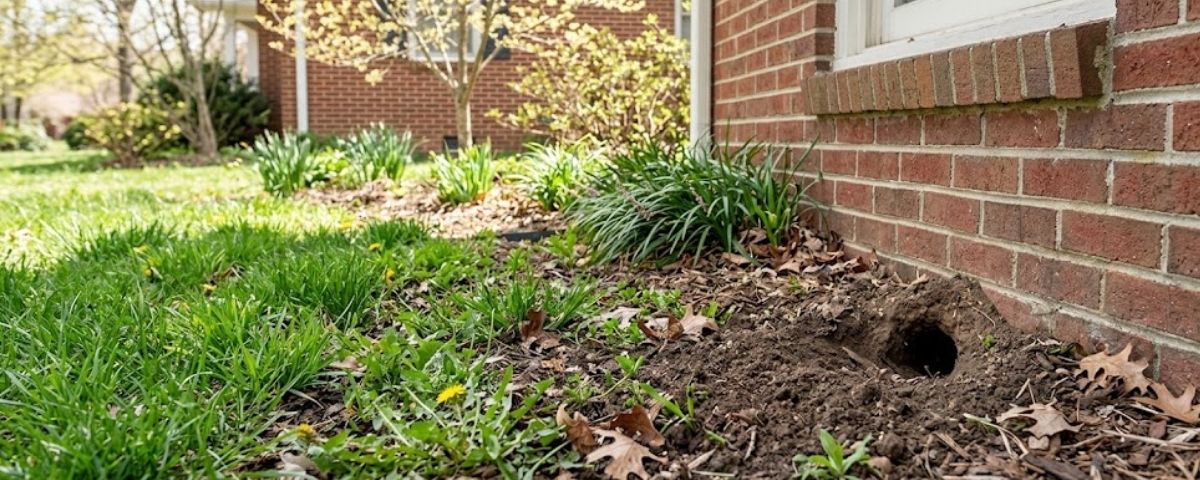
Spring Rodent Activity in Chattanooga: What Happens When Winter Mouse Populations Meet Breeding Season
February and March are underestimated months for Chattanooga rodent activity. Mice that wintered inside begin breeding in place; roof rats start moving back through the canopy as temperatures rise. This seasonal guide covers what to expect in March–May and the prevention steps to take before the summer peak.
Read article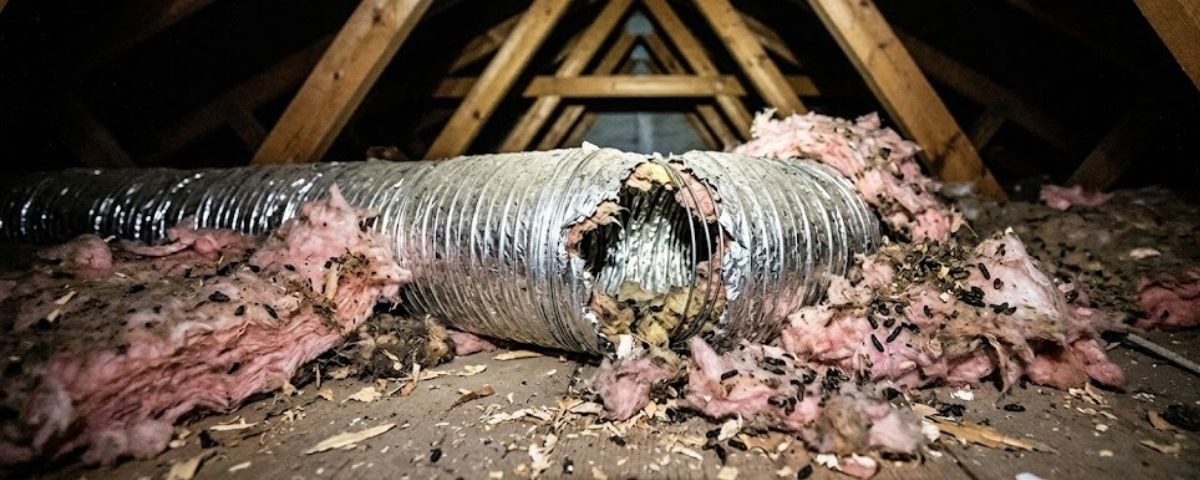
Attic Rat Damage Repair in Chattanooga: What to Replace, What to Sanitize, and What to Seal Before It Happens Again
A roof-rat infestation in a Chattanooga attic almost always leaves behind contaminated insulation, chewed HVAC flex ducts, soiled vapor barrier, and at least a few unsealed entry points. This guide walks the post-infestation attic restoration sequence in order — removal, sanitation, sealing, then re-insulation — with Chattanooga-specific material and cost context.
Read articleActive infestation? Reading isn’t enough.
Call (844) 635-0403 for a same-day free inspection across Hamilton County.
Talk to a Chattanooga rodent specialist — open 24/7
The fastest answer to your rodent question is a two-minute phone call. We’ll tell you exactly what you’re dealing with and what to do about it.
(844) 635-0403