Why attic rat damage compounds by the day
A roof rat in your Chattanooga attic isn't just a nuisance. It's chewing through the insulation around your electrical wiring — a leading cause of unexplained residential fires. It's gnawing through HVAC flex duct, bleeding conditioned air into the attic and inflating your energy bill. And it's not alone — a single breeding pair can produce 40–80 offspring in 12 months. The faster you act, the smaller and cheaper the problem stays.
What qualifies as an emergency attic rat job
We treat every attic rat call as time-sensitive — but some situations genuinely warrant the fastest possible response. Call immediately if you observe:
- Chewed electrical wiring or any sign of scorching near wiring in the attic. This is a fire hazard and should be treated as an emergency.
- Rats entering the living space — dropping through ceiling fixtures, appearing in upper-floor rooms, or seen in the kitchen.
- Heavy, continuous noise that suggests a large active colony rather than an isolated individual.
- Strong ammonia odor coming from the attic or upper ceiling — a sign of heavy urine saturation in insulation.
- Evidence of recent entry — fresh droppings, new gnaw marks on recently painted surfaces, or a visible entry breach in the roofline.
If none of these apply and you're simply hearing occasional scratching at night, the situation is still urgent but may not require same-day dispatch. Call (844) 635-0403 and we'll help you assess.
Attic rat damage in Chattanooga homes
🔌 Electrical wiring
Roof rats gnaw continuously on wiring insulation. Exposed copper in attics creates arcing and fire risk. The NFPA attributes a significant percentage of residential fires of unknown cause to rodent wire damage.
❄️ HVAC flex duct
Flexible duct in attics is a prime target. A single gnaw breach redirects conditioned air into the attic — energy bills rise immediately and the HVAC runs constantly to compensate.
🏠 Attic insulation
Rats nest in and urinate on blown-in and batt insulation. Soiled insulation loses R-value, creates biological hazard, and requires full removal and replacement in heavy infestations.
🪵 Structural wood
Roof rats gnaw attic joists, ridge boards, and rafter tails. In long-term heavy infestations the structural integrity of the attic framing can be compromised.
What happens on an emergency attic rat call
Same-day dispatch
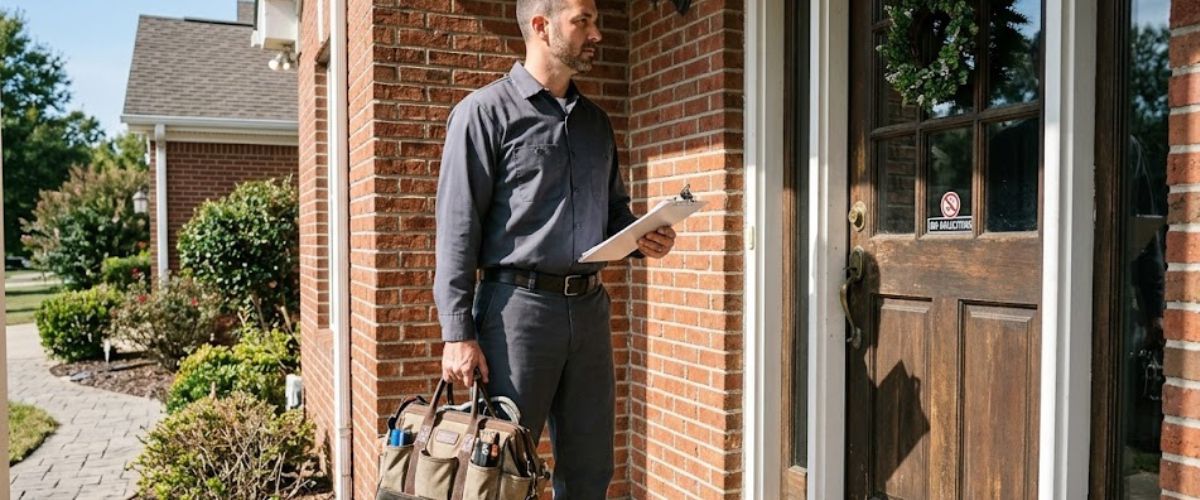
We schedule while you're on the phone. Technician arrives with full attic gear: headlamp, Tyvek, snap traps, and exclusion assessment tools.
Attic walk-through
Full attic inspection — nesting areas, droppings distribution, runways, wiring condition, duct integrity, and preliminary entry-point mapping from inside the attic.
Exterior roofline assessment
Roofline, soffits, ridge vents, and gable vents checked from outside. Primary entry points identified and photographed.
Initial trap set
Snap traps placed on runways and near nesting areas. Bait selected by infestation stage. High-activity areas get multi-catch stations.
Follow-up schedule set
Return visits every 5–7 days to remove catch, re-set traps, and track population decline. Exclusion sealing begins after catch rates drop to zero.
Why we don't seal before trapping is complete
Some contractors offer to seal the attic entry points on the first visit. This is the wrong sequence. Sealing while rats are still active inside the attic traps live animals in wall voids and ceiling cavities. Those animals die in place, decompose over 3–6 weeks, and create an odor problem that is significantly harder and more expensive to resolve than the original infestation. We seal only after two consecutive visits with zero catch — confirming the population is fully removed.
Chattanooga neighborhoods with highest emergency attic calls
Emergency attic rat calls follow the same canopy-and-housing-stock pattern as the broader roof-rat problem, with a seasonal spike in September through December:
- St. Elmo — consistently our highest emergency call volume neighborhood. Fall mast-crop season drives roof rats into attics rapidly.
- Highland Park — Victorian homes with original attic access points and mature oak corridors.
- Lookout Mountain — forested ridge community where roof rats are active year-round.
- Missionary Ridge — steep forested slopes on both faces deliver constant pressure to ridge-top homes.
- Fairmount — early 20th-century homes between the two major ridge canopy corridors.
- Hixson, Brainerd, East Brainerd — lighter but consistent call volume, primarily house mice rather than roof rats.
Hearing rats in your attic right now?
Open 24/7. Same-day dispatch across all of Hamilton County.
Emergency attic rat removal cost in Chattanooga
| Service | Typical range | Notes |
|---|---|---|
| Emergency inspection + initial trap set | $250–$450 | Same-day dispatch. First visit including trap placement. |
| Follow-up trap check / re-set visits | $100–$175/visit | Every 5–7 days until catch rate is zero. |
| Primary entry-point exclusion | $400–$900 | 2–5 primary entry points sealed after trapping completes. |
| Full roofline exclusion | $800–$1,800 | All vents, soffits, and utility penetrations. Heritage homes trend higher. |
| Attic decontamination | $350–$900 | Antimicrobial treatment of soiled surfaces. Quoted separately. |
Frequently asked questions
How fast can you get to my Chattanooga home?
Same-day inspections are available across all of Hamilton County. Calls placed before mid-afternoon almost always get a same-day visit. After-hours emergency calls are dispatched first thing the following morning. The line is staffed 24/7 at (844) 635-0403.
What damage can rats do in my Chattanooga attic?
The three most serious damage categories are electrical (chewed wiring creates fire risk), HVAC (gnawed flex duct inflates energy costs immediately), and insulation (soiled insulation loses R-value and requires full removal in heavy infestations). Structural damage to joists and roof sheathing is also common in long-term infestations.
Should I seal the attic before or after the rats are removed?
After. Sealing before trapping is complete traps live animals inside wall voids where they die, decompose, and create a persistent odor problem lasting months. We seal only after two consecutive zero-catch visits.
What does emergency attic rat removal cost in Chattanooga?
An emergency response visit — same-day inspection plus initial trap set — runs $250–$450. Follow-up visits are $100–$175 each. Full roofline exclusion is quoted after inspection, typically $400–$1,800 depending on property size and entry-point count.
Do you handle attic decontamination after rat removal?
Yes. After removal is confirmed complete, we perform antimicrobial decontamination of soiled surfaces and can assist with contaminated insulation removal and replacement. See the attic restoration service page for full details.