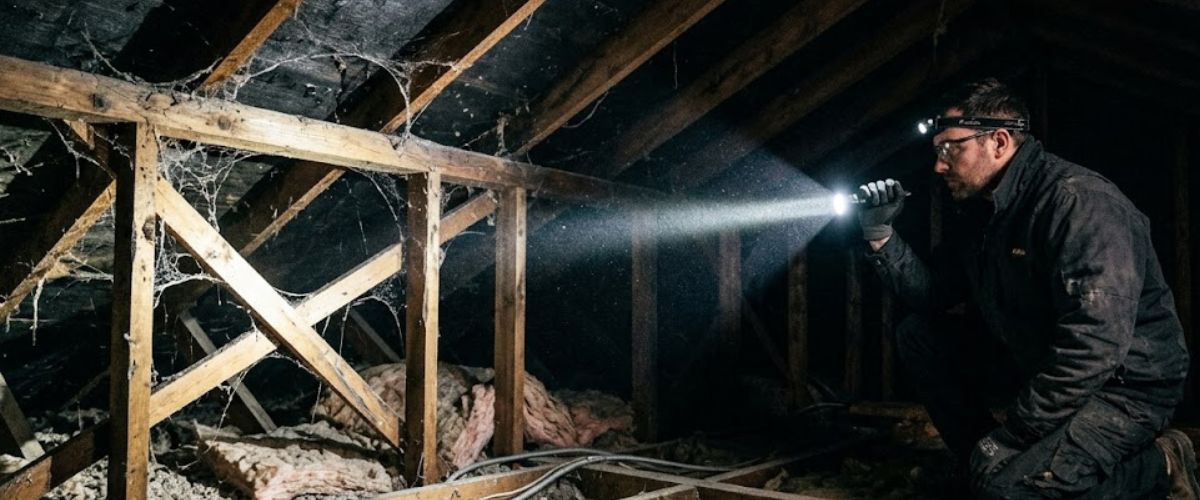
When a rodent damage inspection is needed
A rodent property damage inspection is the appropriate next step after a Chattanooga home's infestation has been resolved and before repair work begins. Jumping to repairs without an assessment risks missing damage in inaccessible areas, under-scoping contractor bids, or failing to document conditions for an insurance claim. The inspection establishes a baseline of what was damaged, where, and how severely — so remediation is scoped correctly the first time.
The most common situations that prompt a damage inspection: a roof rat infestation that ran for multiple seasons before discovery, a Norway rat infestation that compromised a crawl space vapor barrier, a newly purchased home where the pre-purchase inspection didn't include attic or crawl space rodent damage assessment, or a home where wiring issues (tripped breakers, intermittent shorts) have been traced to an area with known past rodent activity.
Damage categories assessed
- Electrical wiring: The highest-priority damage category. Gnawed wire insulation — particularly in attic and wall cavity locations where rodents chew through romex sheathing to reach the softer wire insulation beneath — creates arcing risk. Every accessible wiring run in areas of known rodent activity is visually inspected. Gnaw damage is photographed and documented for electrician review.
- Attic insulation: Contamination extent (urine saturation, fecal loading), compression damage from rodent runways, and R-value loss. Full replacement vs. partial replacement vs. disinfection-only assessment made on-site.
- Vapor barrier (crawl space): Punctures, tears, and shredding from rodent nesting activity. Moisture infiltration from compromised vapor barrier sections identified.
- Structural wood: Floor joists, rafters, and sheathing with significant gnaw damage. Structural engineers are brought in when load-bearing members show material removal.
- HVAC ductwork: Flex duct damage in attics and crawl spaces is common in Chattanooga homes with older duct systems. Rodents nest in and on flex duct, causing punctures and insulation stripping that reduce system efficiency and allow conditioned air loss.
- Plumbing and pipe insulation: Foam pipe insulation gnawed from hot water and refrigerant lines in attics and crawl spaces. Typically cosmetic rather than structural but should be replaced to prevent condensation issues in Chattanooga's humid climate.
What the written report includes
- Damage findings listed by location (attic zone, crawl space section, wall cavity) with severity classification (minor / moderate / significant)
- Photographs of representative damage in each category
- Recommended remediation action for each finding (repair, partial replacement, full replacement, contractor referral)
- Estimated cost ranges for each remediation item based on current Chattanooga contractor pricing
- Priority ranking — which items are urgent (wiring, structural) vs. deferred (cosmetic insulation facing, pipe foam)
- A summary page formatted for insurance adjuster or contractor use
Pricing
| Service | Typical range | Notes |
|---|---|---|
| Standard damage inspection | Free | Attic + crawl/basement + accessible wall areas. Written report same-day. |
| Insurance-format report supplement | $75–$150 | Additional documentation formatted to insurer requirements. Call first to confirm format needed. |
Frequently asked questions
What does a rodent damage inspection cover?
Attic (insulation, wiring, rafters), crawl space or basement (vapor barrier, floor joists, subfloor), accessible wall cavities, and exterior structural points. Written report identifies each damage category by location, severity, and estimated remediation cost.
Can a rodent damage inspection be used for an insurance claim?
Yes — our written report is formatted to support insurance documentation, identifying damage by category, location, and estimated remediation cost. Whether your insurer covers rodent damage depends on your specific policy; contact your insurer before the inspection so we can include the documentation format they require.
How is a damage inspection different from a prevention inspection?
A prevention inspection identifies entry points before an infestation. A damage inspection is done after a resolved infestation and documents what the rodents caused — gnawed wiring, contaminated insulation, damaged vapor barriers — with estimated remediation costs for repair contractor use.
What rodent damage is most expensive to repair in Chattanooga?
Attic insulation replacement after a multi-year roof rat infestation: $1,200–$3,500. Vapor barrier replacement in crawl spaces: $800–$2,200. Electrical wiring damage is the highest-risk finding regardless of cost and should always be assessed by a licensed electrician after any significant infestation.