The October–February pressure window in Chattanooga
Winter rodent proofing is not a year-round concept — it is timed to a specific, predictable, and intense pressure window that Chattanooga experiences reliably every year from October through February. During this window, house mice move indoors across Hamilton County as temperatures fall; roof rats complete the canopy-to-attic transition after mast-crop season ends; and Norway rats that have been living in outdoor burrow colonies through summer begin exploring adjacent building foundations for overwintering harborage.
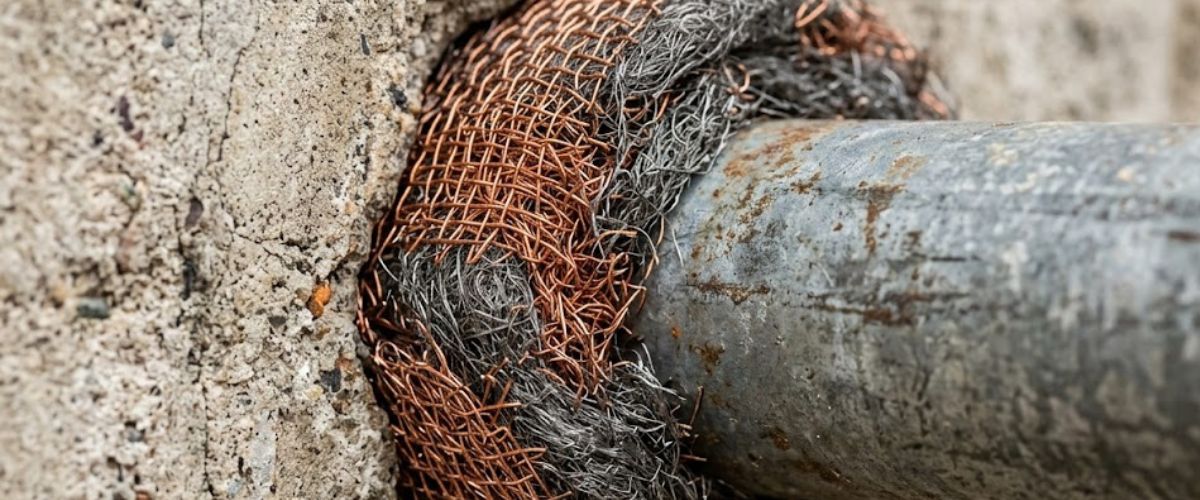
The homes that escape this seasonal infestation cycle reliably are homes with no structural entry points — sealed foundations, screened vents, copper-mesh-packed utility penetrations, and intact soffit-fascia junctions. Winter rodent proofing is the program that closes all identified entry points in one coordinated effort before the pressure peaks, rather than reacting after mice appear in the kitchen in November.
The winter proofing program sequence
Detection survey
Full exterior inspection: roofline assessment, foundation perimeter walk, garage seal check, utility penetration survey. All gaps logged by location, size, and priority. Interior attic and crawl space checked for existing activity.
Interior trap set (if active)
If interior activity evidence is found, snap traps placed before exterior sealing begins. Sealing active entry points over active interior populations traps mice inside — we don't skip this step.
Comprehensive exterior sealing
All identified entry points sealed in a single visit where possible: copper mesh on utility penetrations, hardware cloth on vents, mortar-matched products on foundation gaps, weather-compatible caulk on soffit joints. Multiple trades' worth of materials on every truck.
Follow-up verification (2–3 weeks)
Return visit to confirm seal integrity, check interior traps, and identify any additional entry points that became apparent after the first sealing visit. Activity log updated. Written program completion report.
Pricing
| Scope | Typical range | Notes |
|---|---|---|
| Detection survey | Free | Full entry-point identification before any sealing work quoted or scheduled. |
| Complete winter proofing (standard home) | $450–$900 | Detection + full sealing + interior traps + follow-up verification visit. |
| Heritage home (St. Elmo, Highland Park, Missionary Ridge) | $600–$1,100 | More numerous entry points, heritage-compatible materials, longer installation time. |
Frequently asked questions
Why is winter the most important time for rodent exclusion in Chattanooga?
Two overlapping pressure events converge in October–November: roof rats transition from canopy food sources to attic harborage as mast-crop season ends; and falling temperatures drive house mice indoors. Both pressures exploit the same entry points simultaneously. Sealing before the pressure peak — late September or early October — prevents infestations that would otherwise run all winter.
What's the difference between winter rodent proofing and a prevention inspection?
A prevention inspection identifies what needs to be sealed. Winter rodent proofing is action-focused: detection plus immediate on-site sealing of all gaps using the full material set, plus a follow-up verification visit. The emphasis is on completing the work in one coordinated program rather than producing a report for future action.
What if I already have mice inside when I schedule winter proofing?
Interior snap trap placement comes before exterior sealing. Sealing the exterior without clearing the interior traps mice inside. Our winter proofing program includes interior trapping alongside the exterior sealing work — we never seal over an active unresolved interior population.
What does winter rodent proofing cost in Chattanooga?
A complete program for a standard single-family home: $450–$900. Heritage homes in St. Elmo or Highland Park: $600–$1,100. The inspection is always free; sealing work quoted after the detection visit.